Australia’s TV Market Could Lead the World — If It Moves Together
April 8, 2025
A detailed analysis of the Australian TV market post Future TV Sydney

A detailed analysis of the Australian TV market post Future TV Sydney
A week on from the recent industry conference, I’ve had time to digest some of the key discussions and reflect on where the TV advertising market in Australia and New Zealand currently stands. What emerged was a fascinating mix of optimism, frustration, and opportunity — and some strong signals about where we might go next.
Three Key Questions Driving the Conversation
Before diving into the broader market analysis, it’s worth recapping the three main themes that shaped much of the conference dialogue:
This last question was prompted by a pointed observation from Mark Ritson at the end of 2024, noting — quite rightly — that TV remains far more effective than many brands believe. Yet, perception gaps persist, and the industry needs to address them head-on.
A Market in Transition, But Not in Decline
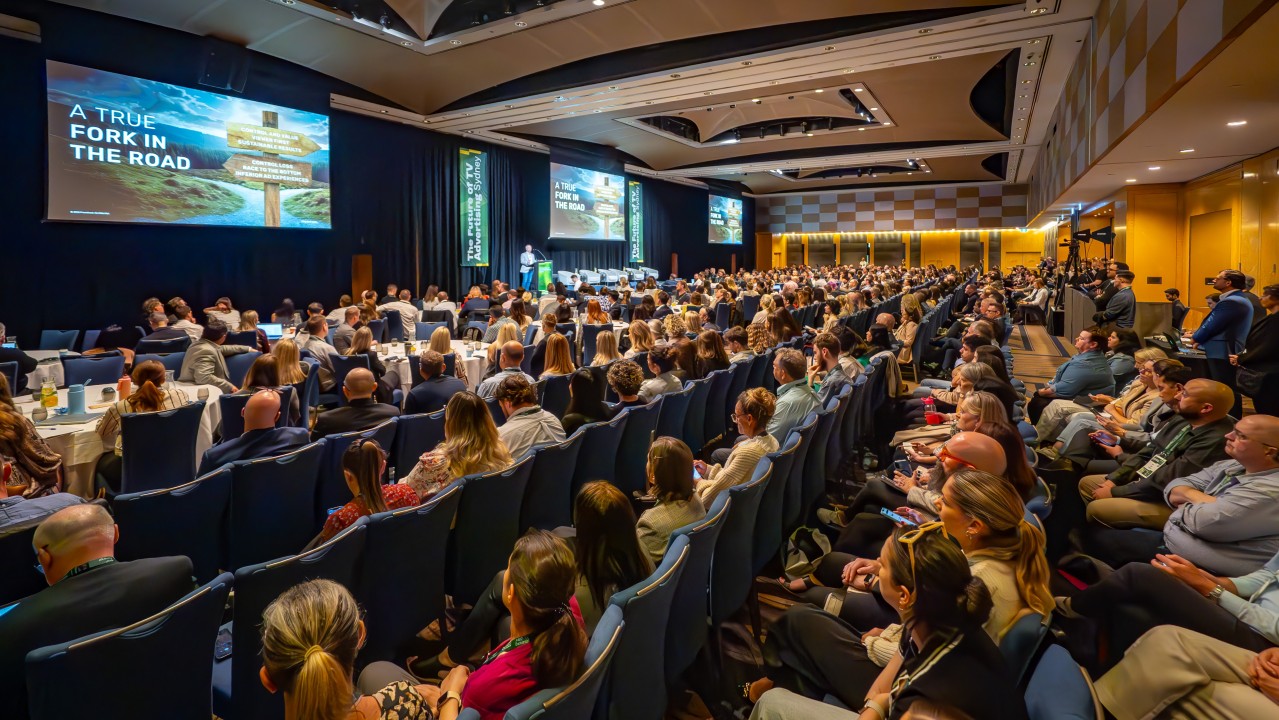
The event drew over 650 attendees, with a healthy mix of buyers and sellers. It was, on the whole, a positive moment for domestic broadcasters. OzTAM CEO Karen Hilligan opened by highlighting steady growth in Australia’s premium video market — with domestic players not just holding their own, but in some cases regaining audience share.
So, will ad revenue bounce back too? According to GroupM data and several agency leads, TV advertising in the region is tracking for either low growth or remaining flat. Encouragingly, any growth — however modest — could signal resilience. However, much of that incremental revenue may well go to streamers rather than broadcasters.
The good news? Streamers might bring new money to the TV ecosystem from other parts of the advertising market. My view is this isn't happening yet but perhaps the message is landing that clients are overspending on social and leaving growth and profit on the table.
Amazon: The Streamer to Watch
Among the streamers, Amazon deserves close attention. Unlike many digital players, their positioning feels refreshingly TV-literate. They’re speaking about demand generation, full-funnel attribution, and working collaboratively to grow the entire market.
Their strategy is clear: leverage unparalleled retail consumer data and position themselves as a credible partner for major advertisers. But like other streamers, their Achilles’ heel is ad inventory. In the US, for example, while viewership is split roughly 50/50 between linear and streaming, 88% of TV ad impressions still come from traditional linear. In Australia, broadcasters probably command over 95% of the ad market. btw, I totally made that figure up but it's probably close.
Amazon will inevitably catch up as it launches more ad-friendly, premium content. For now though, its role in the TV ad landscape remains relatively small — albeit growing. Look for reporting on 'Broadcastification'. This is where streamers start offering broadcast-like content and services to assist their ad products. That's for another time.
Programmatic, Control, and the Case for a Local DSP
A lively debate on programmatic strategy underscored some tension in the market. Nine’s Nick Young passionately argued that Australian broadcasters have lost too much control of the ad-tech ecosystem, and that it’s time to rethink how inventory is traded and how best to sell in an automated fashion without ceding control.
In an interesting twist, commercial broadcasters are now revisiting the idea of building their own DSP — a concept originally proposed (but abandoned) back in 2018. It’s a move worth watching, as Australia may soon become a test case for what happens when broadcasters collectively rethink ad-tech infrastructure.
Should Broadcasters Join the Amazon DSP?
Another hot topic: whether domestic broadcasters should integrate with Amazon’s DSP. The retail data proposition is undeniably tempting. But questions remain. How much of the value would Amazon retain? Would it drive incremental sales? And how might it affect direct client relationships?
The real issue is control. As history has shown with platforms like Google’s DV360, there’s risk in ceding too much to third-party tech. My view: broadcasters should control their own destiny wherever possible. I wrote some thoughts about it here: https://www.linkedin.com/posts/justin-lebbon-9b70484_dsps-tvadvertising-advertising-activity-7316616675393445890-refD?utm_source=share&utm_medium=member_desktop&rcm=ACoAAAC3v5sBIzcs-60OIF--2Keiw35ijA1Y7sk
Why Local Still Matters
A broader trend is emerging: while global brands might be reducing their TV spend, mid-to-large domestic brands remain a valuable opportunity. These advertisers often need local market expertise, care about messaging environments, and benefit from broadcaster support that global platforms can’t provide.
This is where local broadcasters can — and should — double down. It’s these partnerships, with brands that genuinely value connecting with local audiences, that will drive meaningful growth. This is where I have seen some of the best and most impactful work around the world. It's a real opportunity for TV companies that I think is currently underserved.
How to Work with YouTube
This was a recurring theme throughout the day: how should TV companies collaborate with their number one competitor? Examples from Channel 4 and ITV in the UK offer valuable lessons on attracting new audiences and creating new revenue streams. Beverley McGarvey from Paramount, along with other Australian broadcasters, is clearly exploring this space, but it felt to me like there’s still uncertainty around how to monetise effectively and whether they’re cannibalising their existing audiences in the process. There’s also the ongoing concern about giving YouTube access to premium long-form content — but personally, I believe we need to move past that. If there’s money to be made, and if having your inventory widely accessible is what’s required, then the industry should lean in.
TV’s Outcomes Challenge
As expected, outcomes measurement was a major theme. TV remains behind its digital counterparts in this area, and it’s costing the industry valuable ground. A Thinkbox Profitability 2 study set the tone, but the real challenge is operational: TV must get better at providing outcomes data that resonates with clients and boards.
The dominance of dashboards and MMMs means CEOs and CFOs have direct access to campaign metrics. Digital platforms excel here. TV doesn’t — and that’s a problem. The risk isn’t just operational; it’s generational. New marketers aren’t being trained in classical advertising theory. TV must learn a new language to remain relevant to them.
Australia’s Potential Breakthrough
One of the most promising ideas came from Mark Frain at Foxtel. He argued that broadcasters obsess too much about counting impressions — something agencies can already do — and not enough about harmonizing outcomes measurement. If all broadcasters aligned around outcomes, it would transform how TV sells itself.
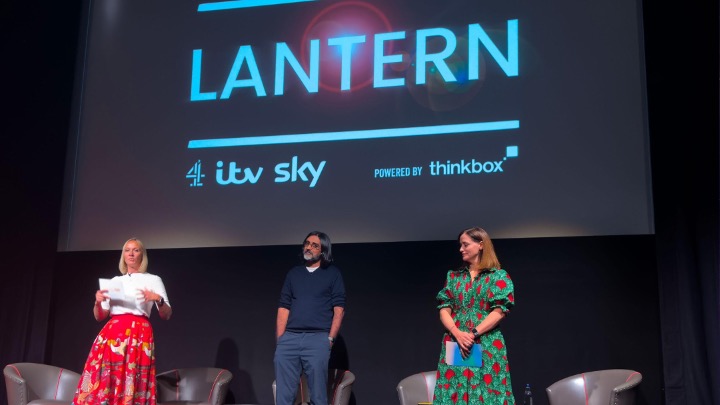
Australia may have a head start here. Adgile offers clients real-time, outcome-based performance data for TV advertising, and there’s a real opportunity for domestic players to collaborate. In the UK, ITV is leading a similar initiative with its Lantern project. There’s no reason Australia couldn’t replicate — or even surpass — that success/concept.
The Need for Collaboration
The recurring message was clear: whatever happens next, it needs to happen together. Scale matters. Consistency matters. And in a tight market, collaboration isn’t just a nice idea — it’s a necessity.
As Paul McIntyre pointed out to me, we’ve heard this before. But this time, it feels different. Because frankly, the market doesn’t have much choice anymore. And the clock is ticking.